




Monsoon time is when your home is tested in all its parts; there’s none more challenged than the primary door. Excess humidity, torrential rains, and rapid temperature changes will cause warped doors and rusted hinges in a short time.
The great thing is that careful planning for hardware and finishes could help your door withstand the monsoon for many years to come. The following are the key points you need to know.
Why Your Main Door Needs Special Monsoon Care
Your main door isn’t just an entry point; it’s your home’s first line of defense against the elements. During monsoon months, doors face:
- Prolonged moisture exposure that seeps into untreated wood
- Rapid expansion and contraction causing cracks or misalignment
- Metal hardware corrosion from humidity and rainwater
- Fungal growth and discoloration on poorly finished surfaces
If you’re shopping for designer doors in Tamil Nadu, monsoon resistance should be as high on your checklist as aesthetics
Choosing the Right Door Material
Wood Still Wins If Treated Right
There is nothing like the unique feel of wood. However, it is not all woods that handle moisture well.
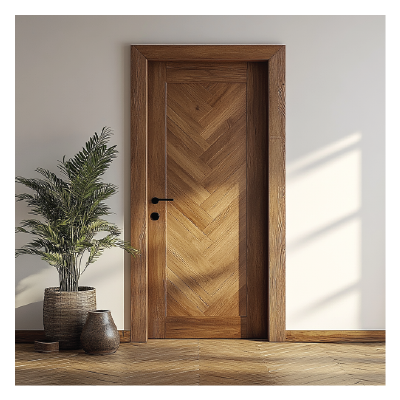
Wood doors can handle monsoon moisture well, but it depends on the species and treatment. Teak is naturally moisture-resistant and ideal for exteriors. Sal works too, but only if properly seasoned and finished. Just as important as the wood itself: good construction, proper sealing, and protection from exposure.
Points to consider when buying:
- Moisture levels should be adequately seasoned (preferably under 12%).
- Wood should be treated against termites and fungal decay
- Edges and panels should be sealed, not just the visible face
- Engineered and Flush Doors as Alternatives
If solid wood feels like overkill for your budget, engineered doors with waterproof cores offer decent monsoon resistance at a lower price point. Look for BWP (Boiling Water Proof) grade plywood cores specifically.
Hardware That Holds Up in Humidity
A beautiful door with poor hardware is a monsoon disaster waiting to happen. Rusted hinges, sticky locks, and swollen frames are usually hardware failures, not wood failures.
Hinges and Fasteners
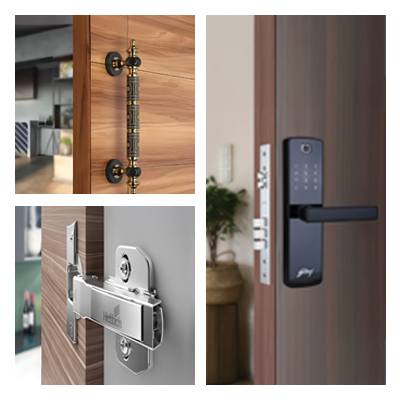
- Choose stainless steel or brass hinges over regular mild steel.
- Avoid galvanized hardware in coastal or high-humidity zones. It corrodes faster than people expect.
- Use rust-resistant screws and fasteners throughout
Locks and Handles
- Opt for anti-corrosive locking mechanisms with sealed internals
- Powder-coated or PVD-finished handles resist tarnishing far longer than plain brass
- Test the lock mechanism periodically before monsoon sets in — moisture can cause parts to seize
Door Seals and Thresholds
Weatherstripping and door bottom seals are often overlooked but make a huge difference:
- Rubber or silicone seals prevent water seepage at the base
- Door sweeps stop rainwater from pooling under the threshold
- Aluminium or vinyl thresholds outlast wooden ones in wet conditions
- Finishes That Actually Protect
The finish is your door’s raincoat. Skipping this step is one of the most common — and costly — mistakes homeowners make.
Best Finish Options for Monsoon Protection
- Polyurethane (PU) coating: highly water-resistant and durable against UV damage
- Melamine finish: good moisture resistance with a smooth, elegant look
- Marine-grade varnish specifically designed for high-moisture environments
- Application Tips
- Apply finish coats to all six sides of the door, including top and bottom edges
- Reapply protective coats every 2–3 years depending on exposure
- Avoid finishing during high-humidity days, as it affects curing
- Design Doesn’t Have to Suffer for Durability
Monsoon proofing doesn’t mean settling for plain, utilitarian doors. Modern manufacturing techniques mean carved panels, glass inlays, and rich textures can now come with built-in weather resistance.
This is exactly why demand for well-finished, durable designer doors in Tamil Nadu has grown steadily; homeowners want style that survives the season, not style that fades by August.
Quick Monsoon-Readiness Checklist
Before the rains arrive, run through this list:
- Door edges and bottom are properly sealed
- Hinges and locks show no early rust signs
- Weatherstripping is intact and not cracked
- Finish coat is less than 2–3 years old
- Threshold allows proper water drainage away from the door
Where to Find Monsoon-Ready Doors in Salem
Getting the material, hardware, and finish combination right isn’t something to guess at it helps to see and compare options in person before deciding.
If you’re searching for the best door showroom in Salem, Gokul’s Build Mart is worth a visit. With a wide range of wooden, designer, and weather-resistant door options on display, it’s a practical starting point for homeowners who want both durability and design in one place.
But for even more variation, Go Panel, which is said to be the largest showroom for doors in Tamil Nadu, offers an enormous range of finishes, hardware, and doors under one roof.
Your visit to the doors showroom in Salem not only gives you an idea about the varieties available but also allows you to assess their quality.
Final Thoughts
Monsoon-proofing your main door isn’t about one big fix; it’s about getting the small details right: seasoned wood, corrosion-resistant hardware, proper seals, and a durable finish.
Get these fundamentals in place, and your door won’t just survive the rains it’ll look good doing it, season after season.